
B&B - holiday home · Casertavecchia (CE)
Villa Contessa Siffridina
A former convent in the medieval village of Casertavecchia
By writing to us via WhatsApp or email you give us your contact details, which we will use only to reply to your request. WhatsApp is a service of WhatsApp Ireland Ltd. Privacy policy
A former convent
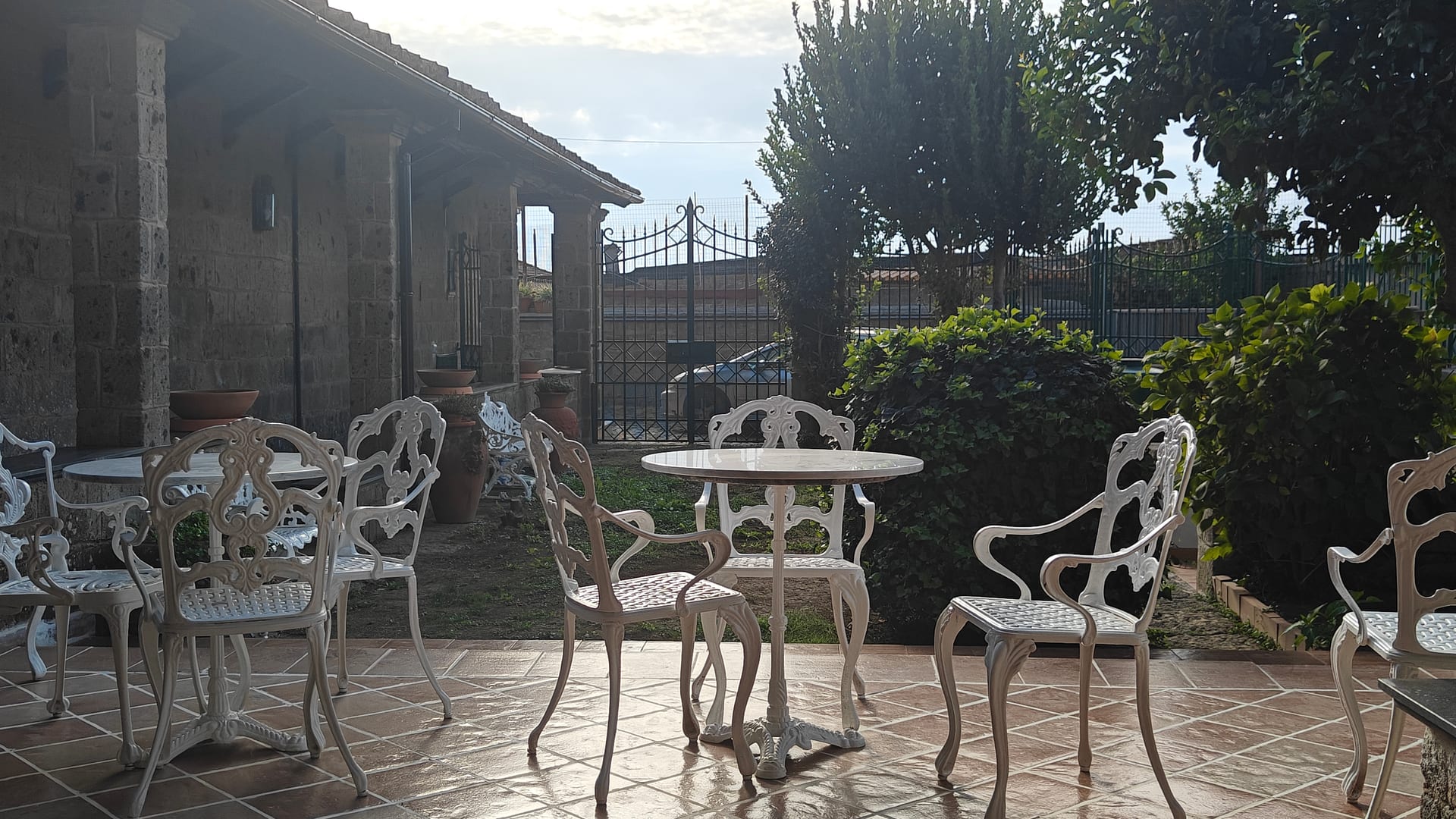
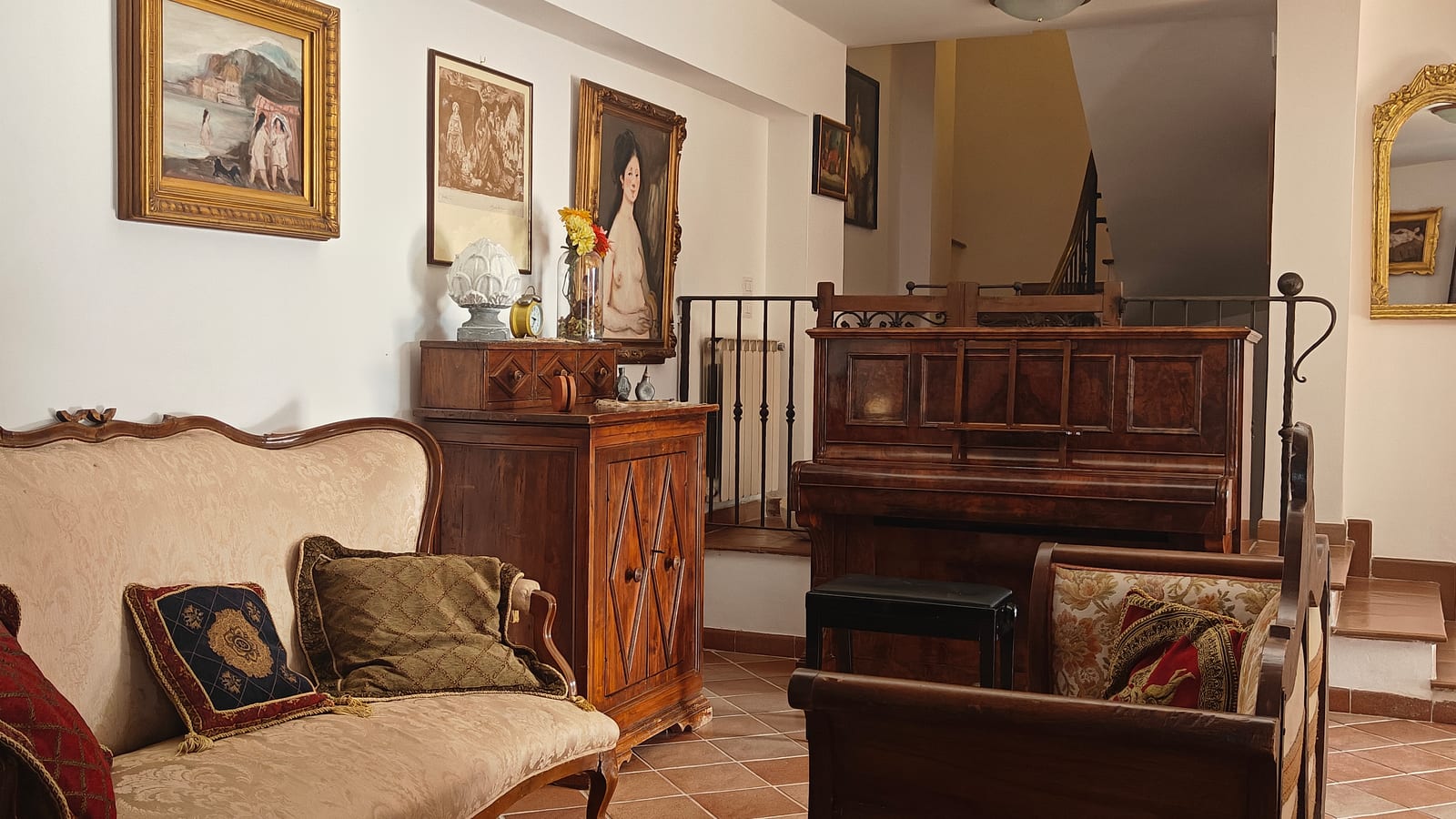
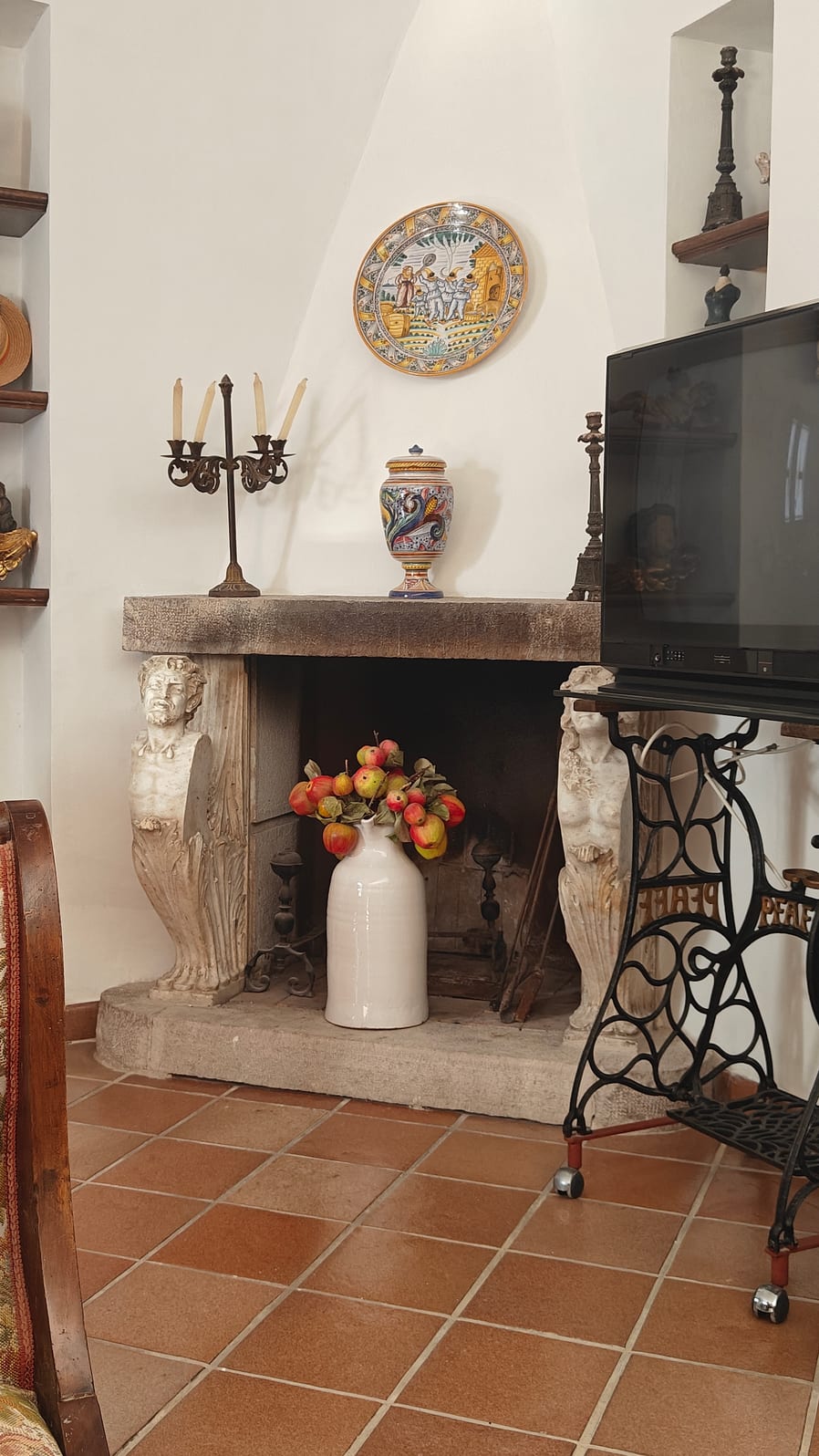
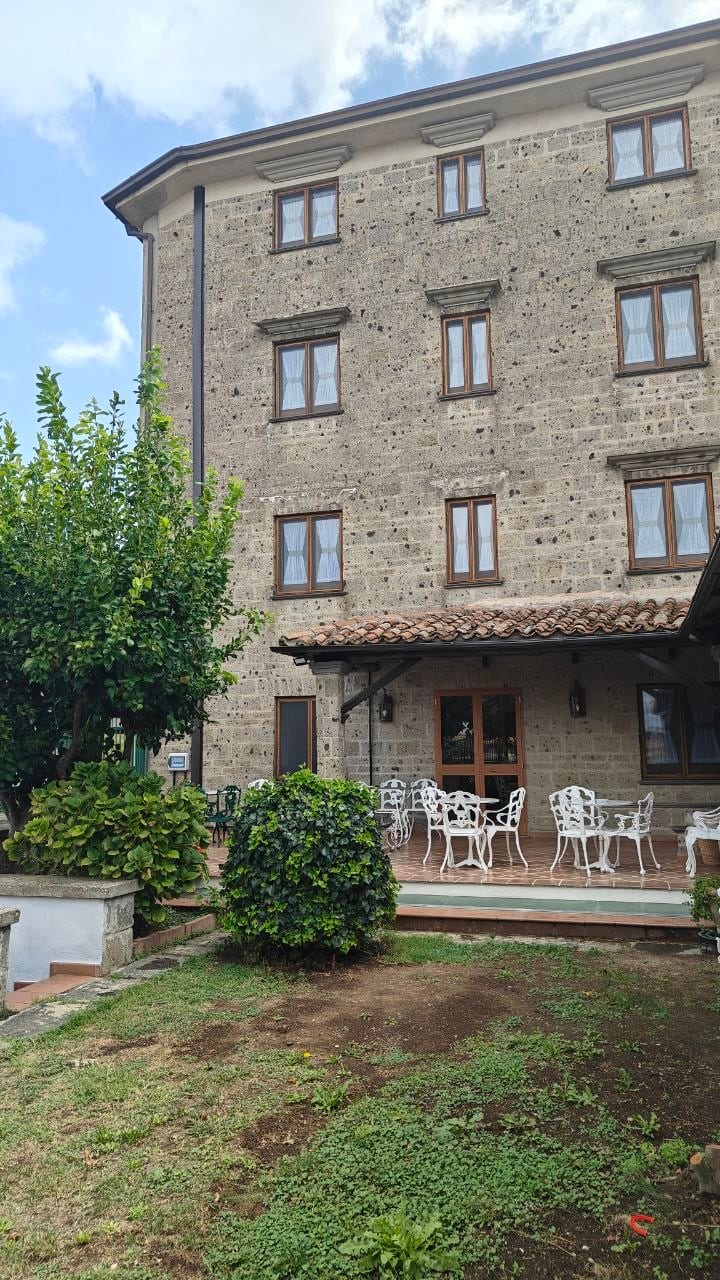
The house was a convent, and it still shows: the garden with the stone portico was the cloister. The rest has been restored, keeping what deserved to be kept — the terracotta floors, the Neapolitan antique furniture, the old paintings on the walls. In the drawing room there are an upright piano and a sideboard; in another room, a stone fireplace held up by two carved figures.
The house is on several levels, linked by internal stairs: below is the tavern room with the kitchen and the oven; on the ground floor the entrance from the garden, the drawing room and a kitchen; on the floors above, the bedrooms; at the top the terrace, from which you can see the Tifatini hills and, in the evening, the lit façade of the Cathedral, a few steps away.
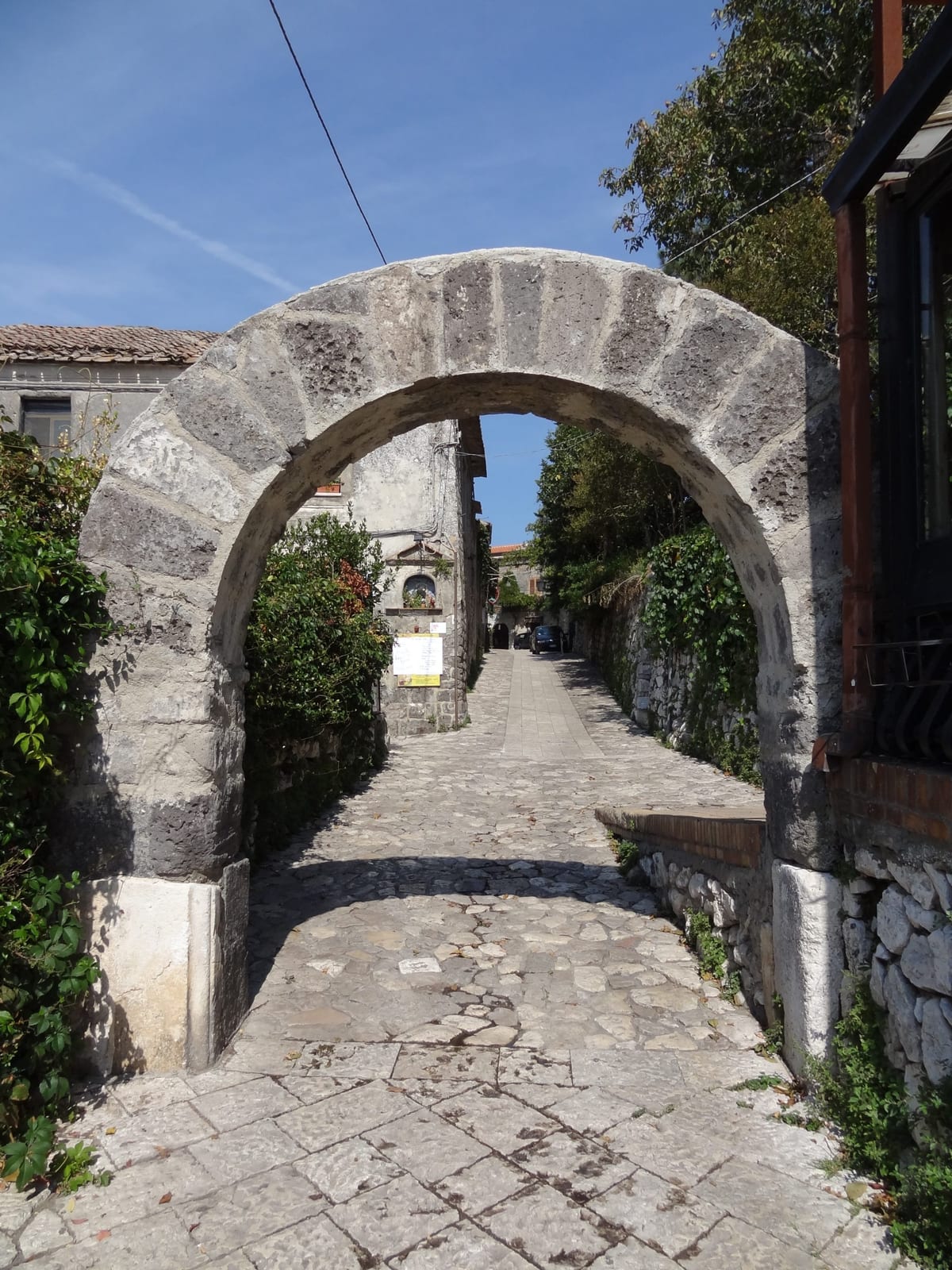
We are in the middle of the village, in Via San Michele, ten kilometres above Caserta.
Facilities and spaces
- Bathroom in each apartment
- Air conditioning
- Television in the room
- Wi-Fi
- Heating
- Garden with portico
- Panoramic terrace
- Large drawing room
- Tavern room with kitchen and oven
- Private parking
The rooms
There are four bedrooms, in two mini-apartments, one per floor, each with two bedrooms and a bathroom. All have air conditioning, a television and Wi-Fi, and they are named after the characters of the legend: Siffridina, her son Riccardo, her grandson Corrado, and Casa Hirta, the old name of the village.
-
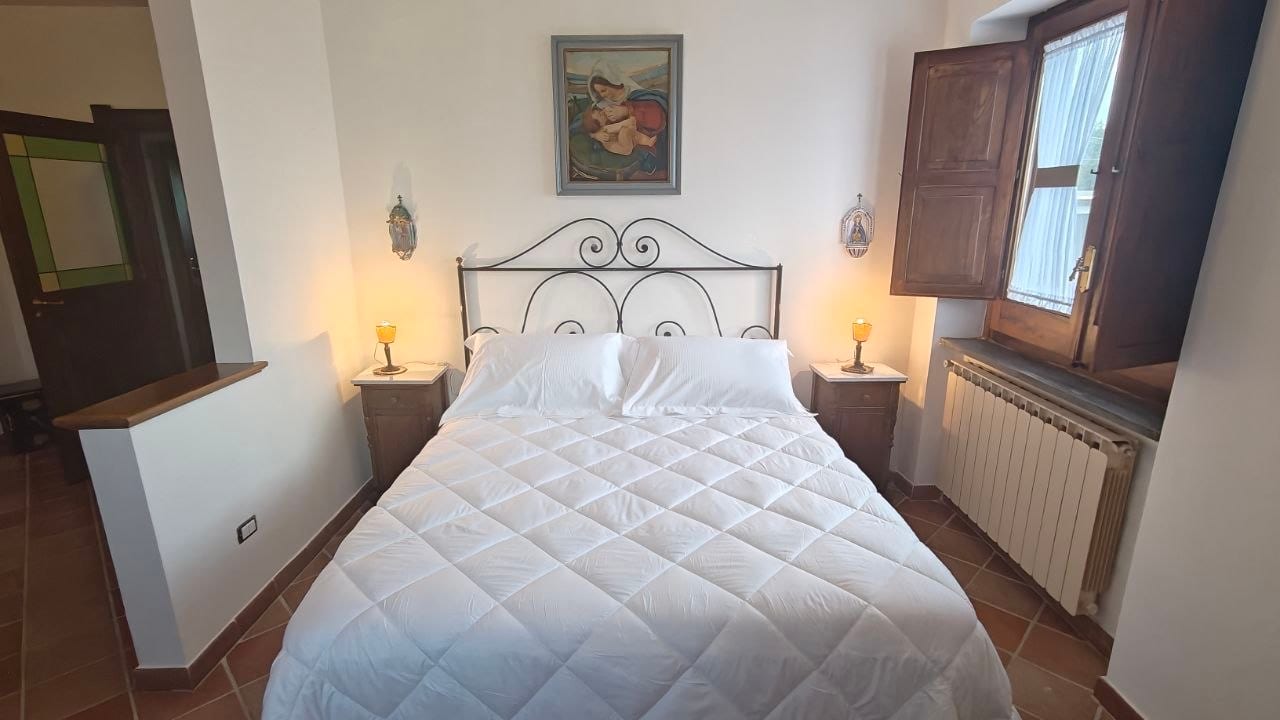
Camera Siffridina
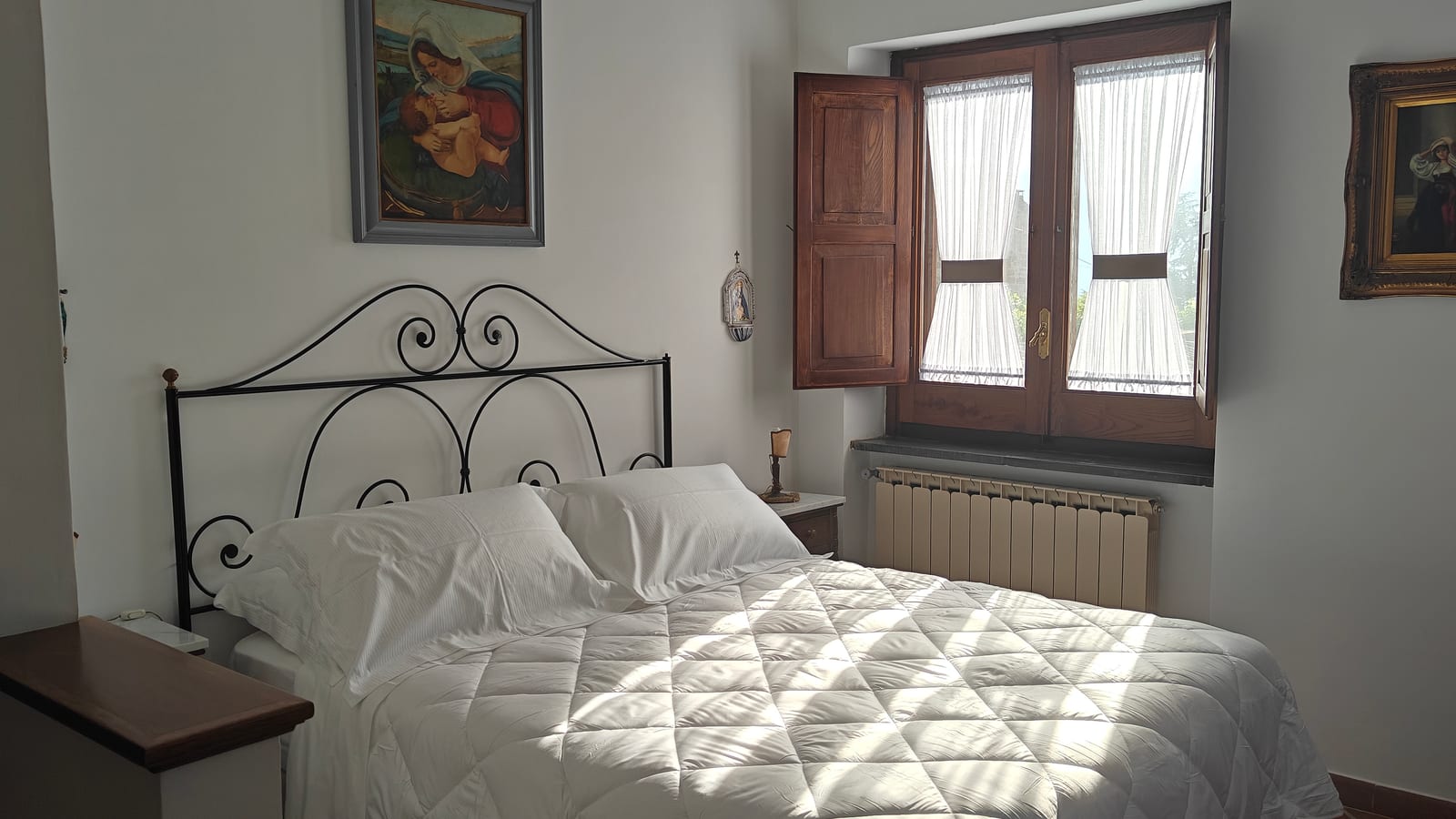
It has a black wrought-iron double bed, with a sacred painting above the headboard and two lamps on the bedside tables; the window has wooden shutters.
-
-
Camera Riccardo
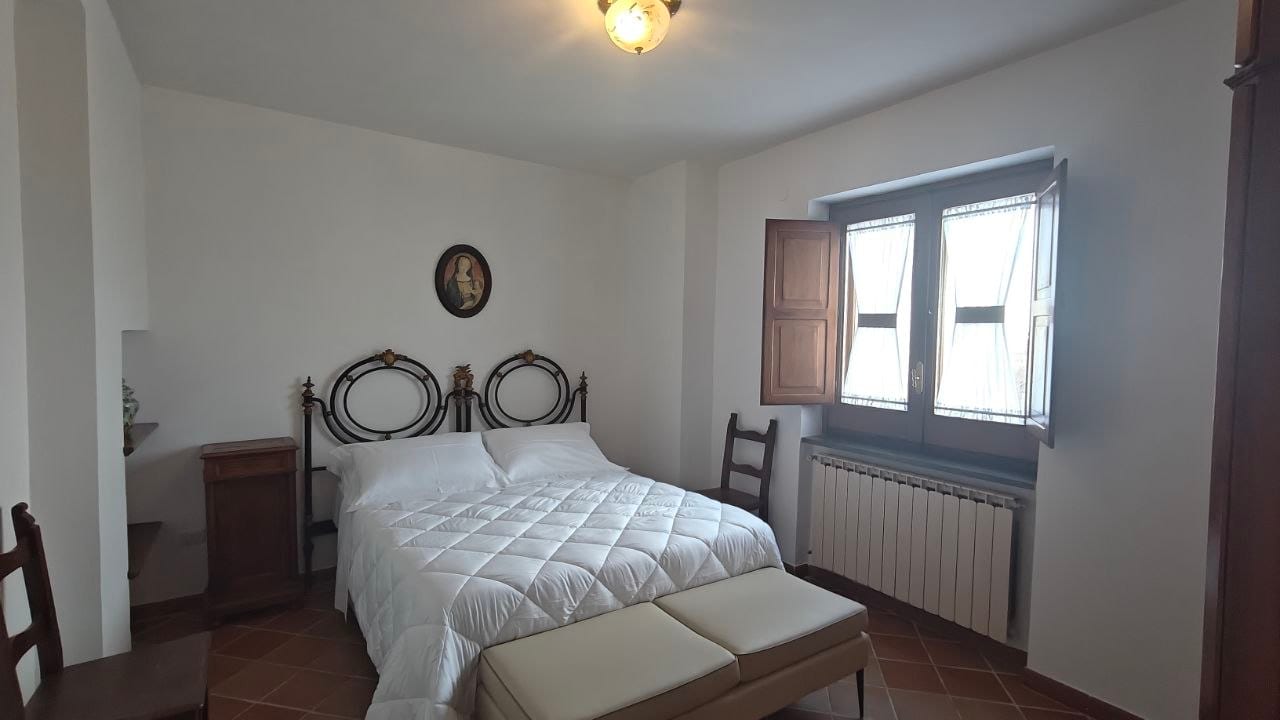
The bed is in dark iron with gilded details, there is a bench at its foot, and from the window you can see the Cathedral.
-
-
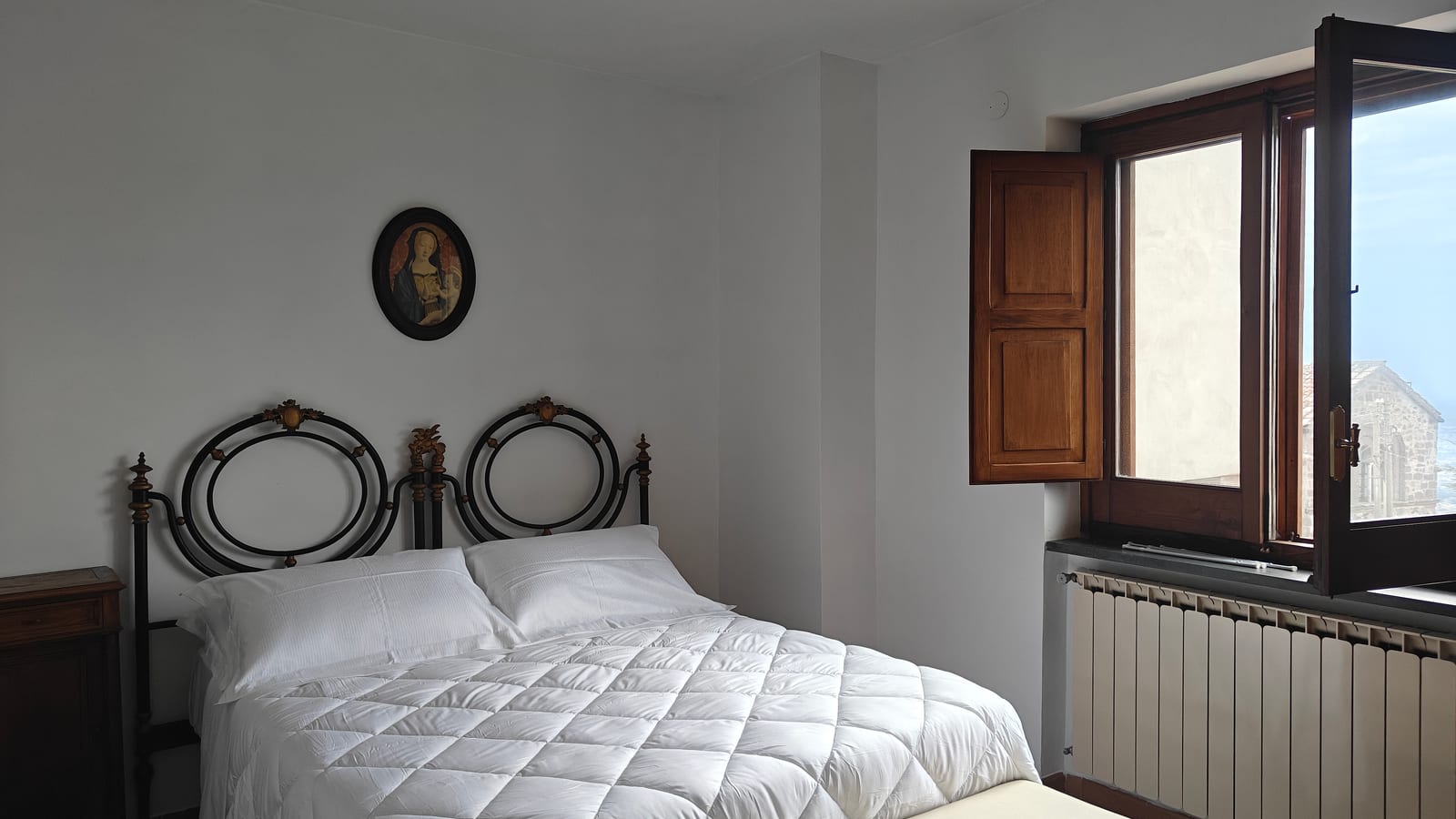
Camera Corrado
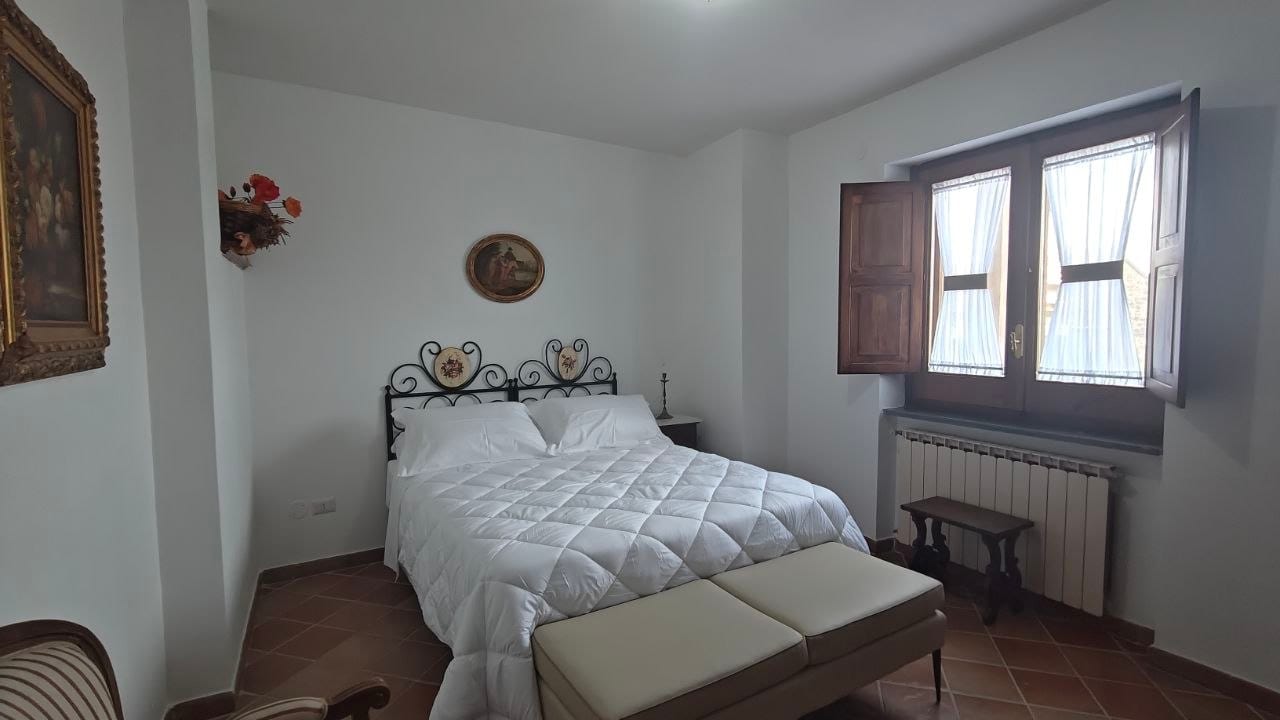
On the iron headboard are two ceramic medallions painted with flowers; at the foot of the bed a bench, on the wall an oval picture.
-
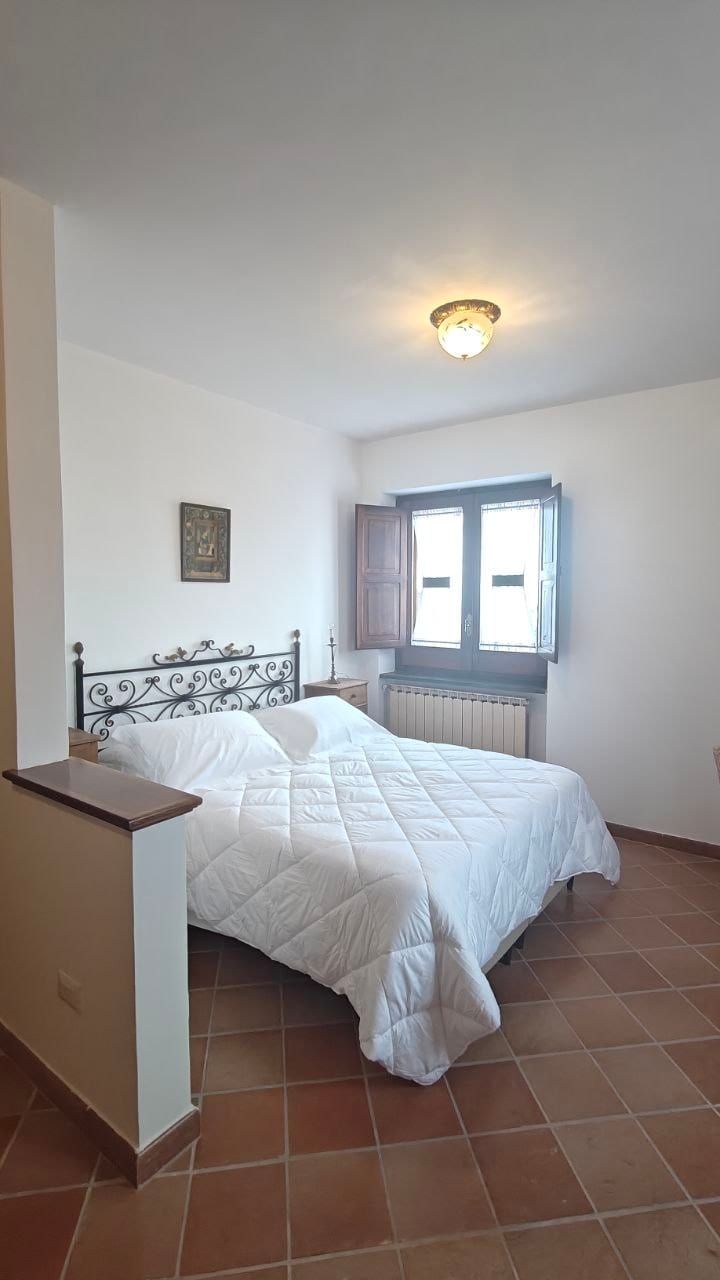
Camera Casa Hirta
A low wall with a wooden coping separates the entrance from the sleeping area; the double bed is in iron, and the window has shutters.
Casertavecchia
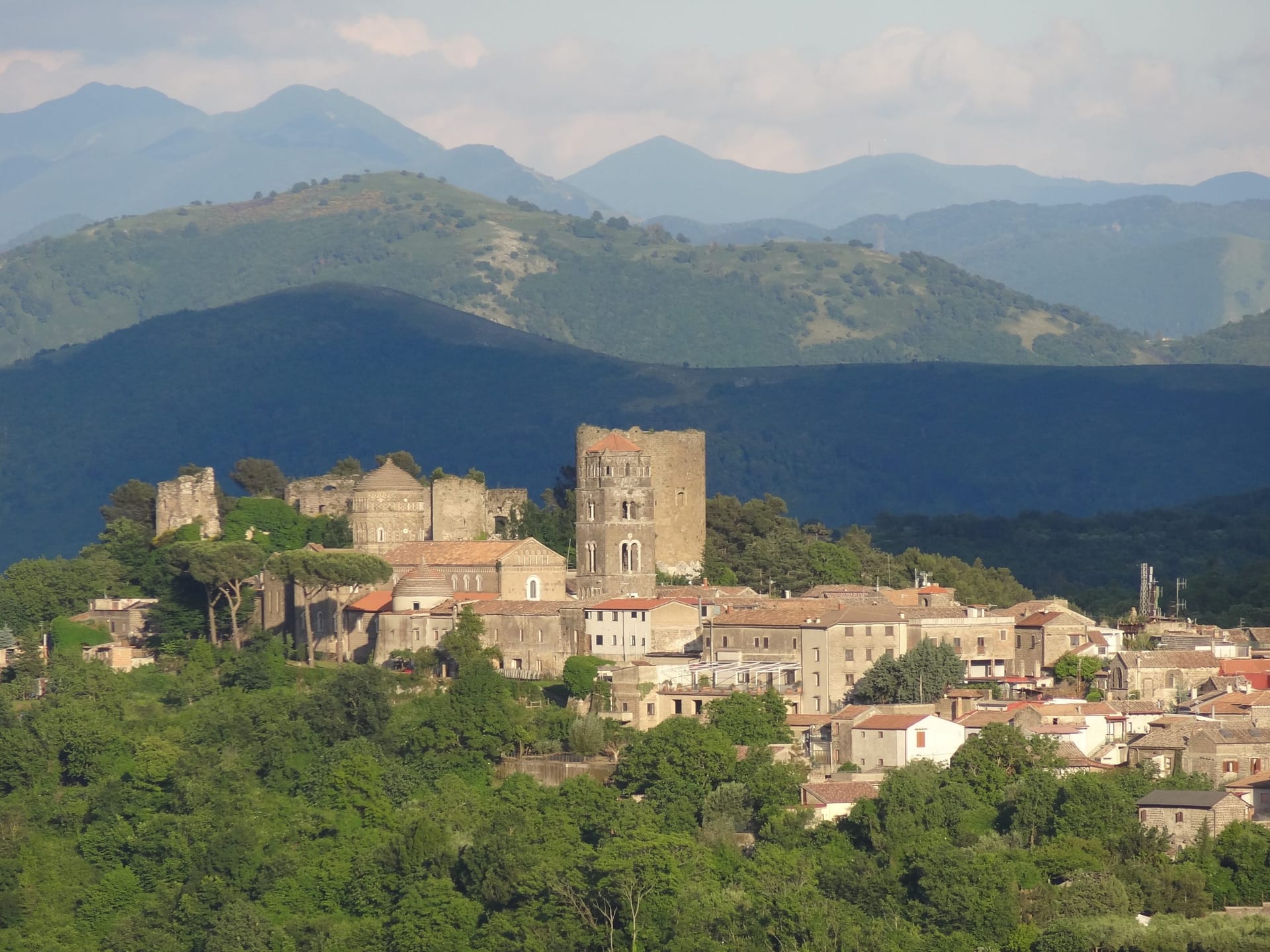
Casertavecchia stands on the slopes of the Tifatini hills, at 401 metres, ten kilometres of bends above Caserta. It is the village the city grew out of, and which the city, moving down to the plain, left as it was: stone lanes, tufa houses, and at the top the Cathedral with its bell tower and the ruins of the castle.
Its oldest name is Casa Hirta, “the village on the height”, written down by the monk Erchempert in his account of the events of 861. With the Normans, from 1062, came its best century: the Cathedral of San Michele Arcangelo was begun around 1113 and dedicated in 1153, the bell tower — thirty-two metres high, with its arch spanning the street — dates from 1234, and under the Swabians the castle gained the great round tower that can still be seen from the whole valley. From the fifteenth century life began to move downhill, and when the Bourbons built the Royal Palace the village stayed up here, intact because forgotten.
Today you drive up and leave the car before the lanes, because the centre is closed to traffic; then you walk, and before long you have seen everything and lost your way at least once. In summer the village is the stage for “Settembre al Borgo”, which has brought music and performances among the houses for more than half a century; in winter it is quiet, and in the evening, with the Cathedral lit up, it is another place.
The legend of the Countess
Siffridina really was Countess of Caserta: wife of Tommaso and mother of Riccardo, she ruled the county for years, until her son was of an age to govern it. She died a prisoner in the castle of Trani, in 1279, far from here; and in Casertavecchia it is said that her spirit came back. The house bears her name, and the rooms the names of her story.
Nearby
Places to visit around the village, nearest first. Driving times are approximate.
-
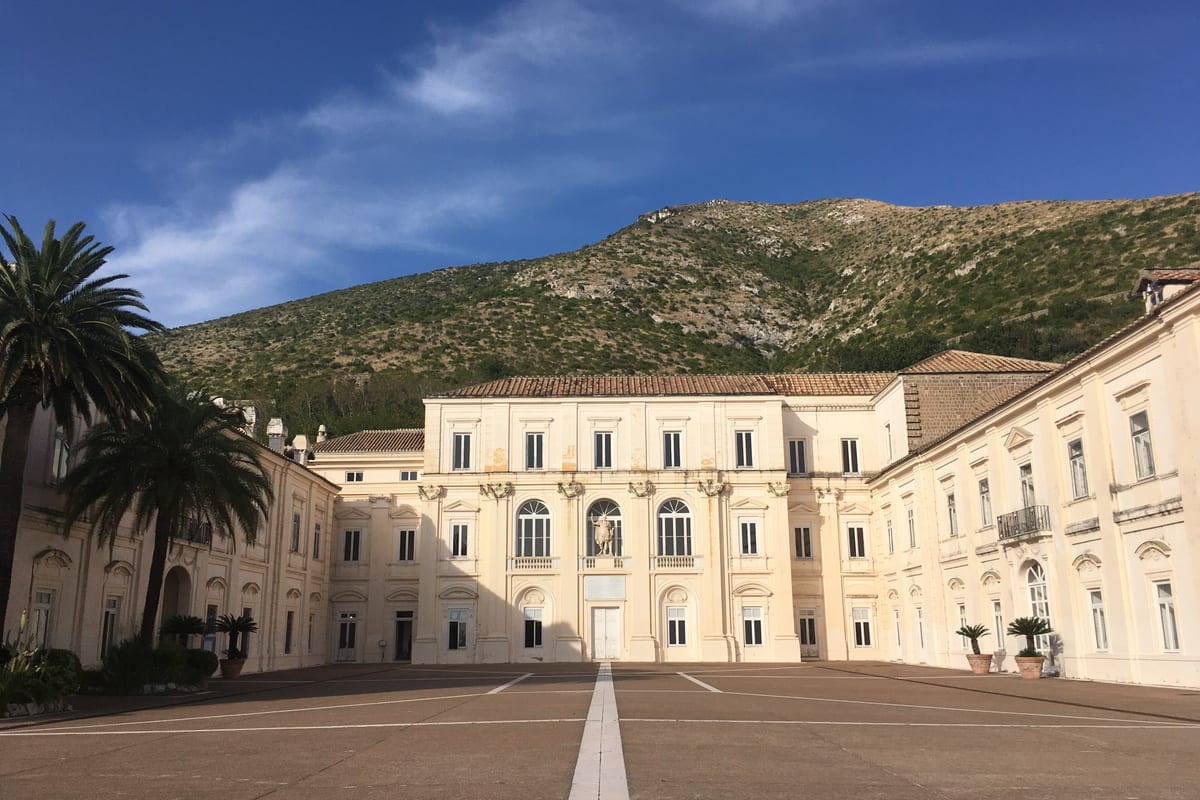
Photo: Mel22, CC BY-SA 4.0, cropped Belvedere di San Leucio
About 20 minutes by car · 9 km
The silk colony founded by Ferdinand IV: the royal apartment, the gardens and the historic looms of the museum.
-
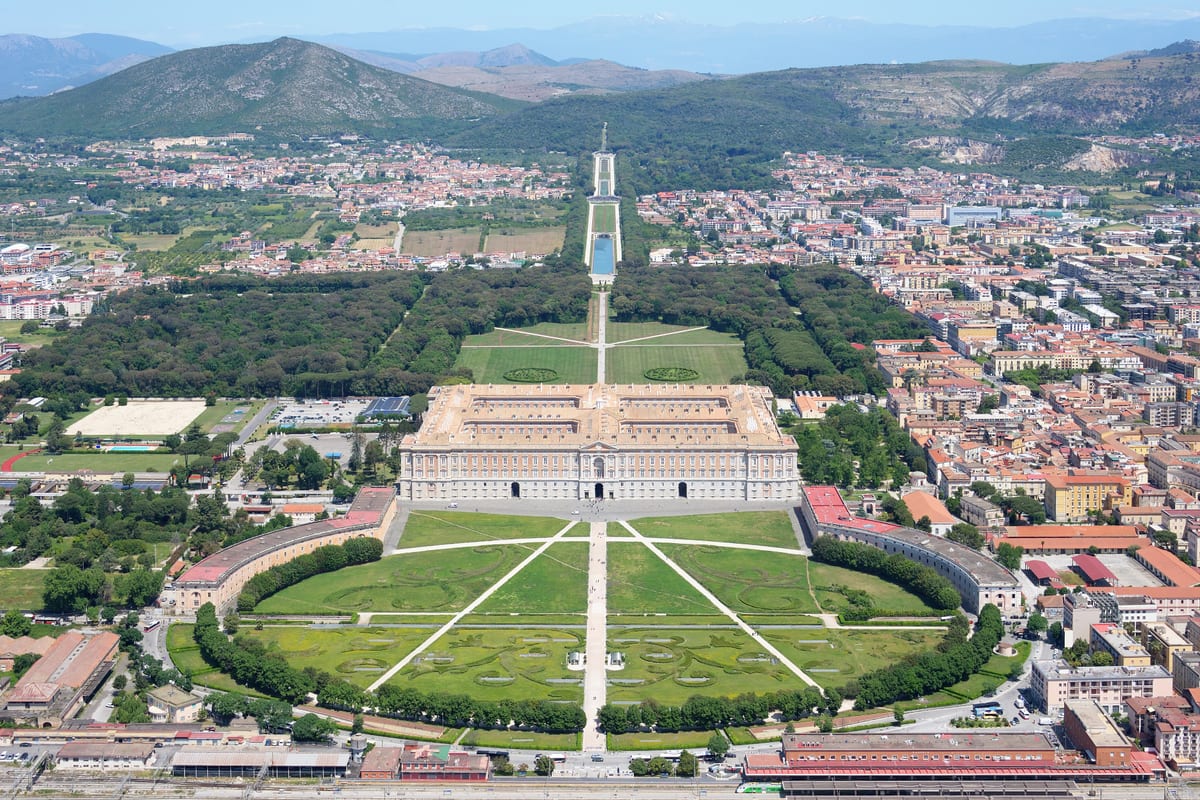
Photo: Carsten Steger, CC BY-SA 4.0, cropped Royal Palace of Caserta
About 25 minutes by car · 12 km
The Bourbon royal palace and its three-kilometre park, ending at the Great Waterfall and the English Garden.
-
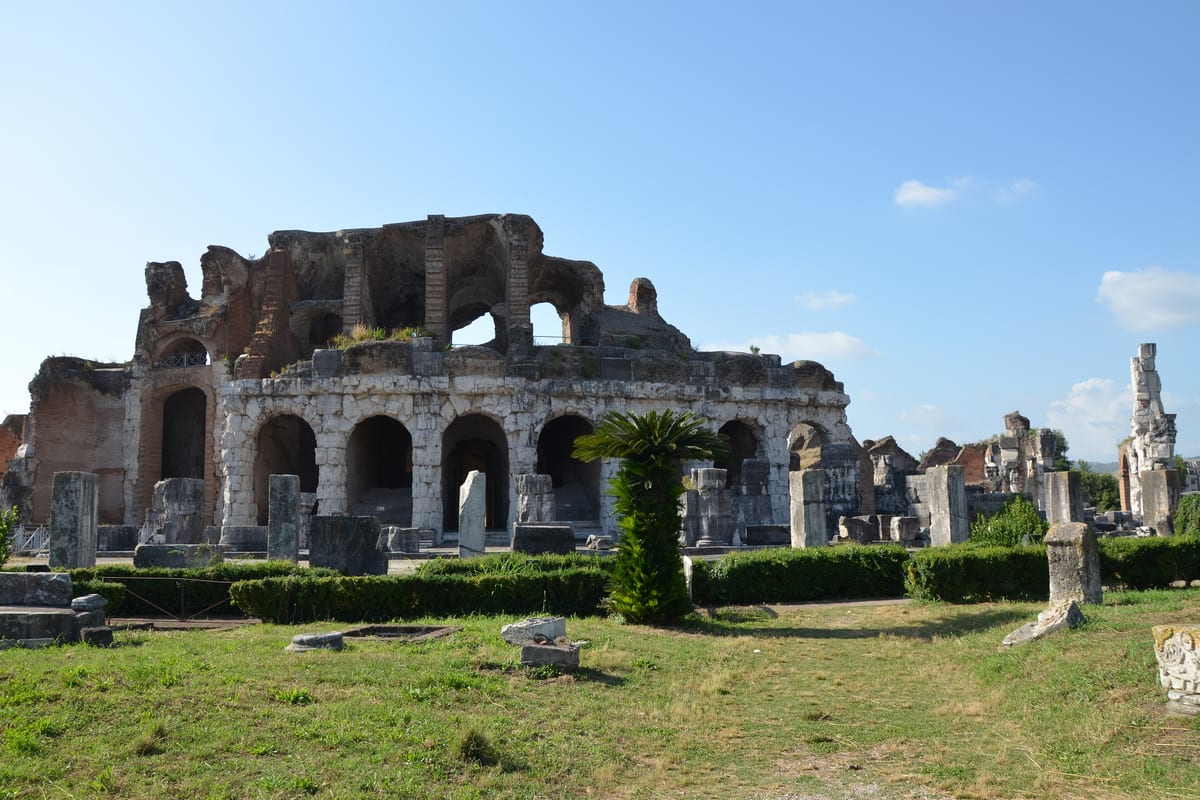
Photo: Carole Raddato, CC BY-SA 2.0, cropped Campanian Amphitheatre
About half an hour by car · 18 km
In Santa Maria Capua Vetere, the second-largest Roman amphitheatre after the Colosseum; the underground chambers of the arena can be visited.
-
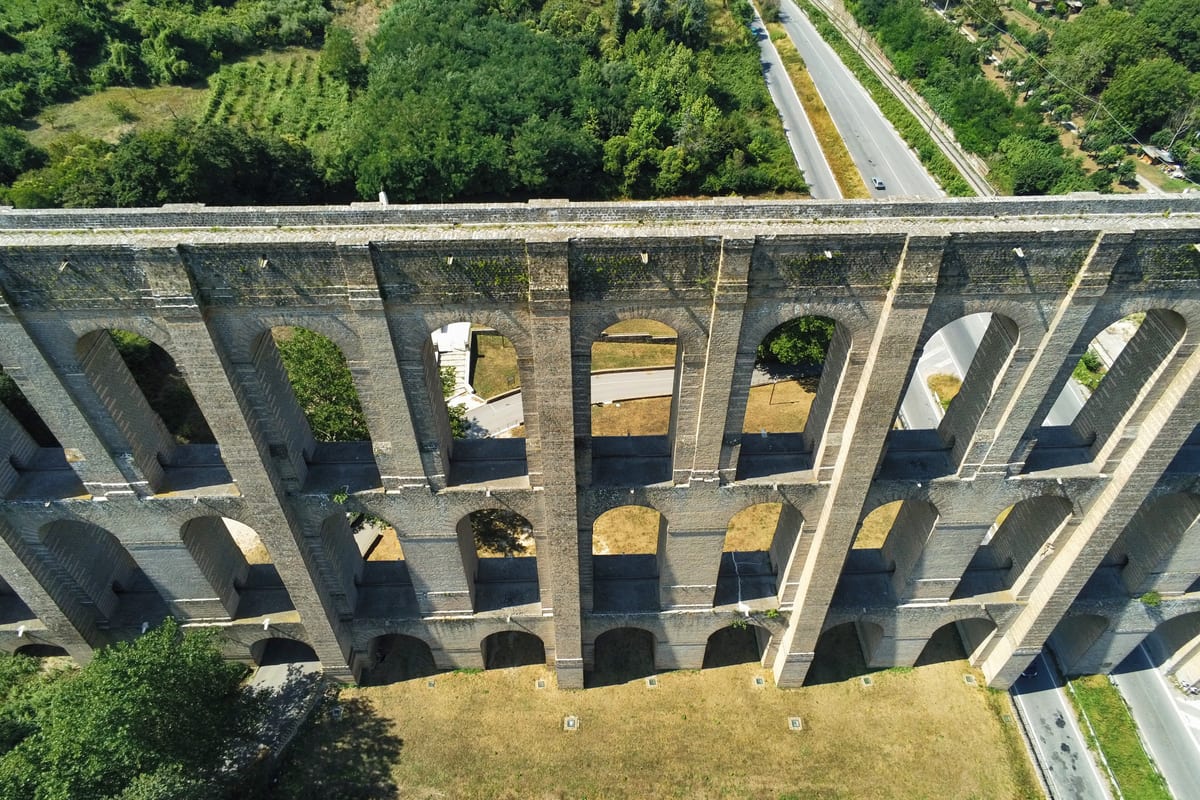
Photo: Valerio Capello (ElfQrin), CC BY-SA 4.0, cropped Acquedotto Carolino
About 40 minutes by car · 13 km
The Ponti della Valle, Vanvitelli’s aqueduct that carried water to the Royal Palace: three tiers of arches, almost sixty metres high.
-
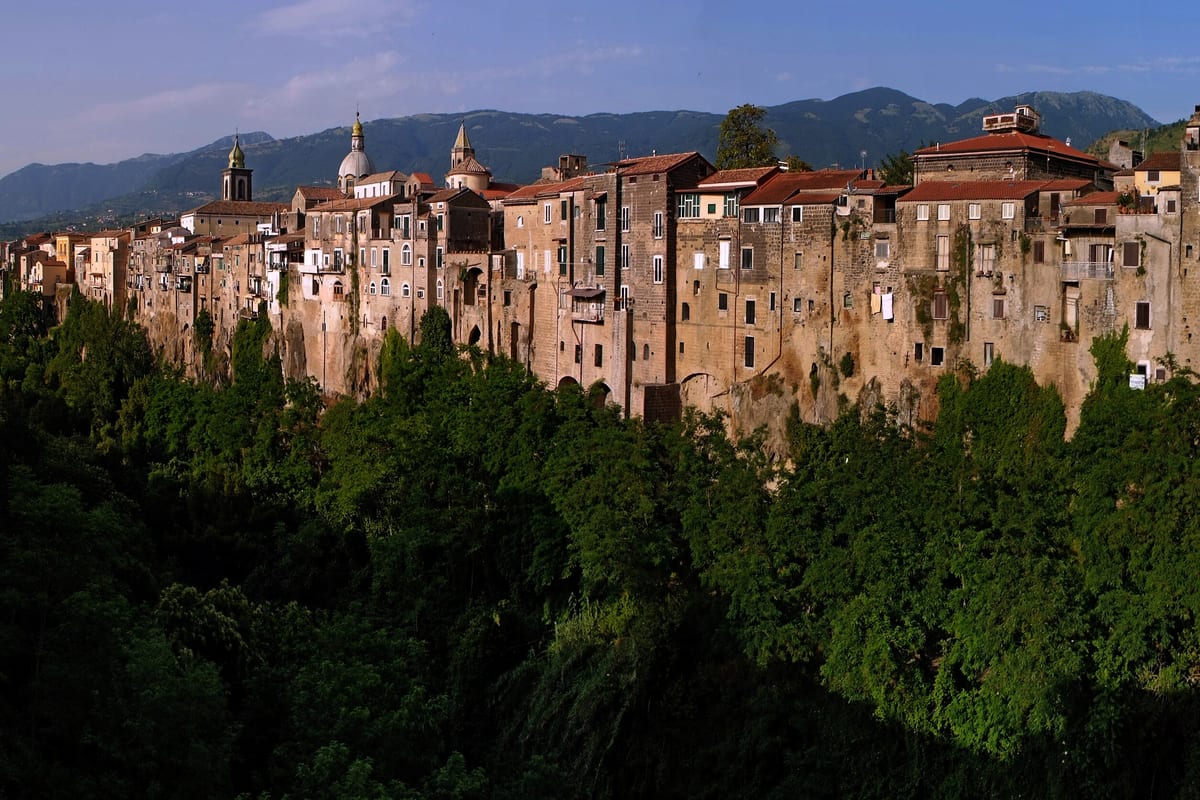
Photo: Acquario51, CC BY-SA 4.0, cropped Sant’Agata de’ Goti
About 40 minutes by car · 17 km
A village built on a spur of tufa between two streams, with its cathedral and ducal castle. You see it all on foot.
-
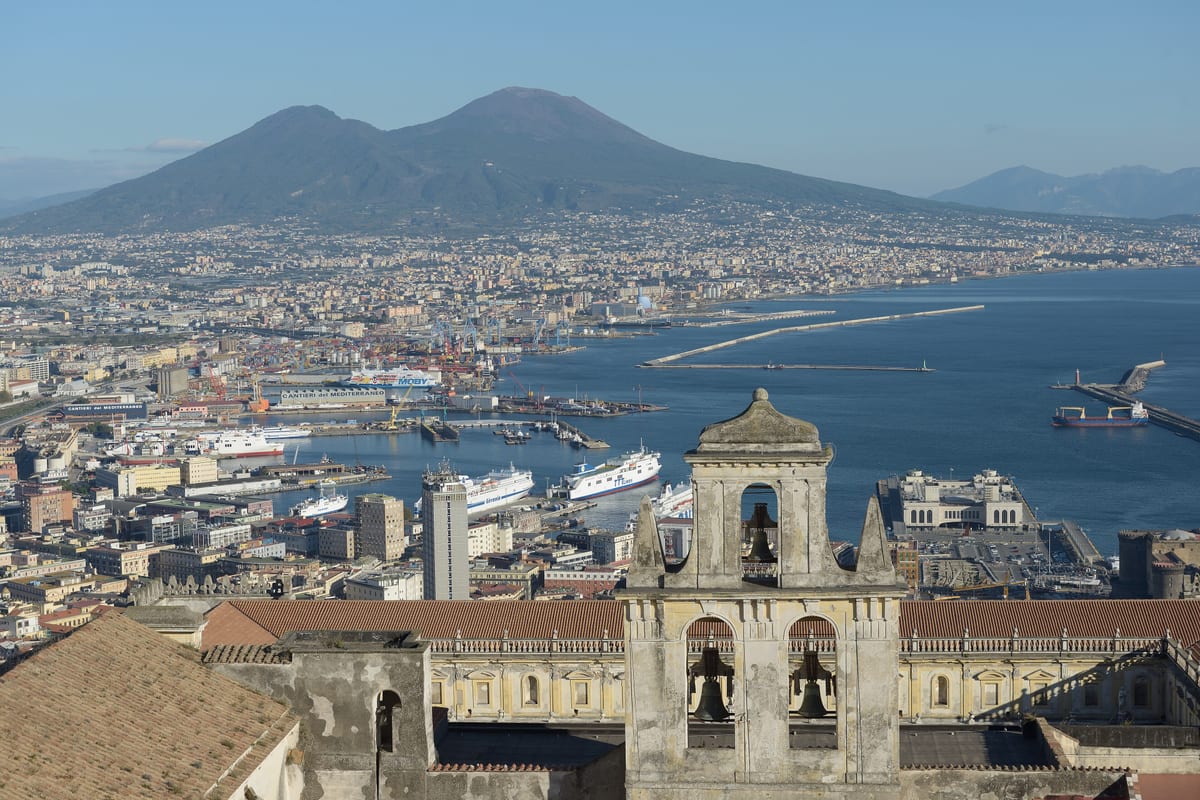
Photo: Wolfgang Moroder, CC BY-SA 3.0, cropped Naples
About an hour by car · 45 km
The historic centre, the National Archaeological Museum and the seafront. A day is barely enough for one district.
-
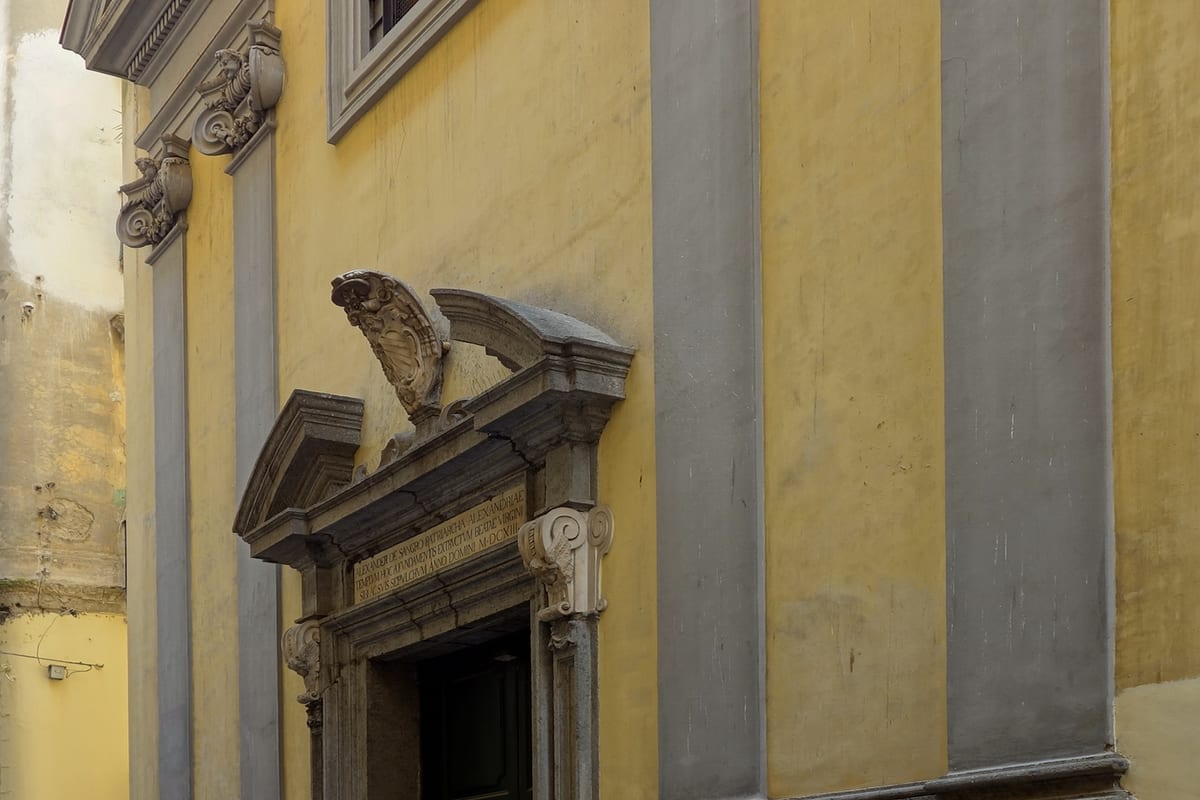
Photo: Velvet, CC BY-SA 3.0, cropped Cappella Sansevero
About an hour by car, in the historic centre
Sanmartino’s Veiled Christ, in the historic centre of Naples. Entry is by limited numbers: it is best to book.
-
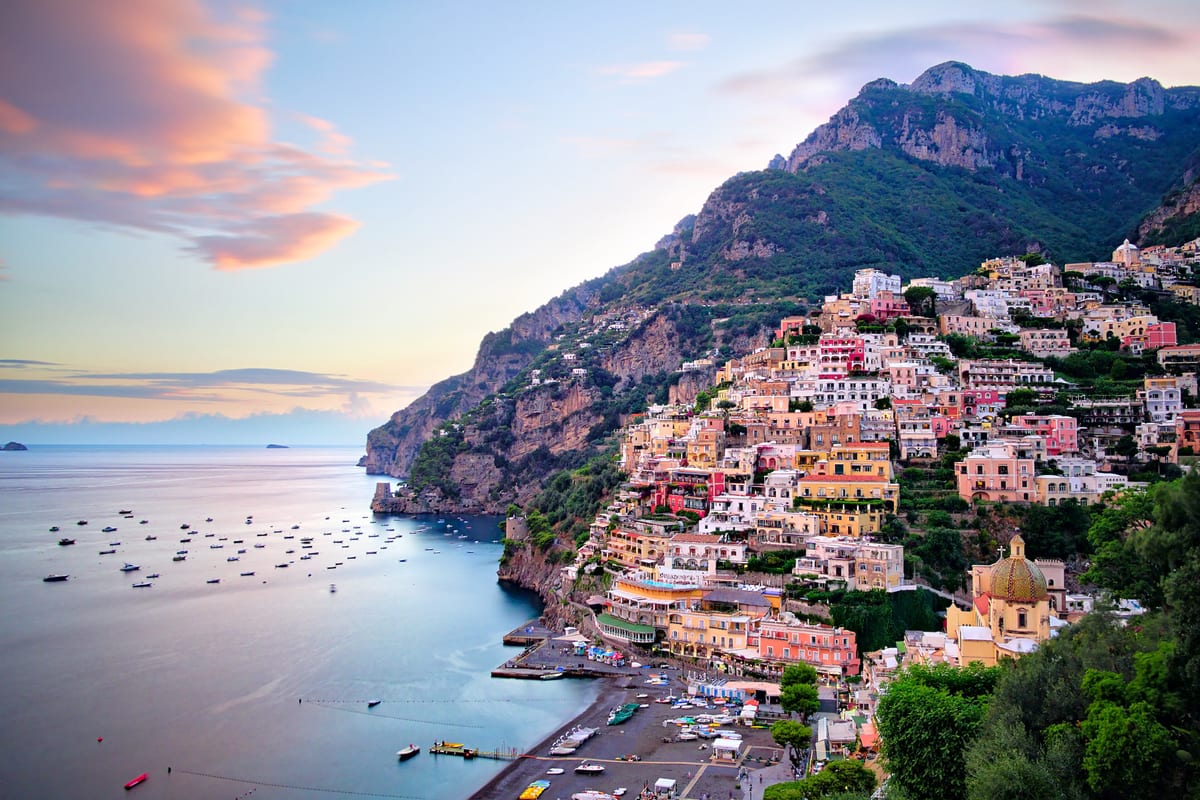
Photo: Thomas Fabian, CC BY-SA 2.0, cropped Positano
About two hours by car · 95 km
The Amalfi Coast, with terraced houses running down to the Spiaggia Grande. It can only be reached by the coast road.


Booking is easy
No booking portals, no forms to fill in: just call or email us and we will reply to you directly.